
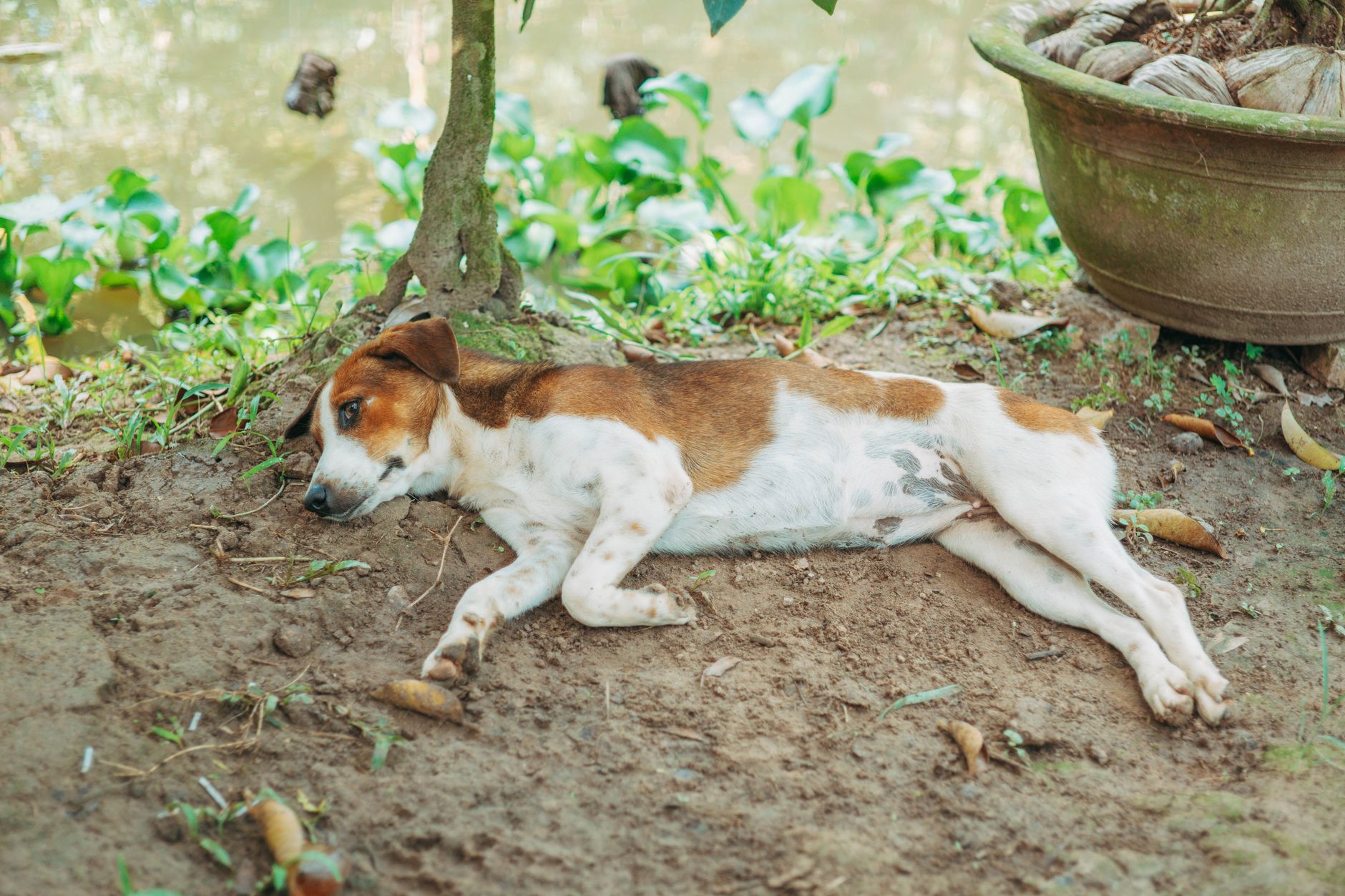
Leptospirosis is a bacterial infection dogs pick up from water or soil carrying the urine of infected wildlife and rodents. Autumn rain in Port Moody refills ditches, creek edges and trail puddles, which raises exposure. Signs such as fever, lethargy, vomiting or a change in thirst warrant a veterinary exam, and vaccination is worth discussing with your veterinarian.
Why the End of Summer Changes the Picture Here
The Tri-Cities spend a few dry weeks each August with hard ground, low creeks and dust on the trails. Then the pattern flips. The first sustained rain of the season pools in exactly the places dogs like: trail dips, ditch bottoms, the muddy edge of a slow creek, the low corner of a lawn.
Leptospira bacteria survive best in warm, wet conditions and do poorly in freezing or fully dried soil, so a mild coastal autumn suits them. That does not make your neighbourhood unsafe. It means a walking route that carried almost no exposure in July can carry more in October.
How Dogs Are Actually Exposed
Infected animals shed the bacteria in their urine. Rats and mice are the classic reservoir, but raccoons, skunks, squirrels, deer and other wildlife can carry and shed it too, and the Tri-Cities have a generous supply of all of them along greenbelts and behind residential blocks.
The bacteria then move into the environment and wait for a way in. Common exposure routes include:
- Drinking from or wading through standing water, ditches, puddles or a slow-moving creek edge
- Nose-down sniffing and licking in soil or mud that has been urinated on
- Contact through a cut, scrape or broken skin, which does not require drinking anything at all
- Direct contact with an infected animal, including a scuffle with wildlife or a rat found in a yard
- Damp, rodent-friendly spaces such as compost bins, woodpiles, crawl spaces and under-deck storage
That last group matters because owners often assume this is only a wilderness problem. A dog who never leaves a Newport Village or Klahanie backyard can still meet a rodent latrine behind the shed.
Which Dogs Carry More Risk
Risk is about lifestyle and habit rather than breed. Dogs who cover ground on the Shoreline Trail, drink opportunistically at Rocky Point Park, nose through the wooded sections of Bert Flinn Park, or splash along Noons Creek meet more standing water than a dog whose walk is a dry sidewalk loop.
A few patterns raise exposure:
- Dogs who drink from puddles or creeks instead of a carried water bottle
- Hunting, hiking, swimming and off-leash trail dogs
- Dogs living where rodent activity is visible, including near compost, bird feeders or back-lane bins
- Dogs who travel to farms, rural properties or the Interior and come back into a wetter coastal season
- Young, curious dogs who investigate everything with their mouth
If your dog is new to the household, the risk conversation fits naturally into the schedule of early visits we describe in our first year guide for Tri-Cities puppy and kitten families, since that is when the core and lifestyle vaccine plan is being built anyway.
Early Signs That Warrant an Exam
Leptospirosis is frustrating because early illness looks like a dozen other things. Nobody can tell from the couch what is causing it, and that is the point: these changes are a reason to be seen, not a reason to guess.
Contact us if your dog shows any of the following, particularly after wet trail time:
- Fever, shivering or muscle soreness, sometimes with a stiff or reluctant walk
- Unusual tiredness, or a dog who suddenly wants to stay lying down
- Loss of appetite, vomiting or diarrhea
- Drinking noticeably more or less than usual, or a change in how much they urinate
- Yellowing of the gums, whites of the eyes or skin
- Rapid or laboured breathing
The thirst and urination changes are worth learning to notice, because owners tend to spot them late. The same observation habit we describe in our post on kidney disease in cats is the one that helps here. If a scuffle with wildlife is part of the story, the puncture needs attention too, and our guide to bite wounds in dogs and cats explains why those wounds look smaller than they are.
A dog who is dull, vomiting repeatedly, jaundiced or breathing hard should not wait for a routine slot. Ring us on the way so the hospital is ready for you, and skip any human remedies or home treatments in the meantime. Our same-day urgent care is available during open hours, and if your dog needs help after we close, our team can point you to a 24-hour facility.
The Part People Miss: This One Can Pass to Humans
Leptospirosis is zoonotic, meaning people can be infected as well. That does not make a sick dog a crisis for the household, but it does change how you handle things. Human infection usually happens through contact with infected urine.
Wear disposable gloves when cleaning up urine or accidents from a dog under investigation, wash your hands thoroughly afterward, and keep bedding and cleaning cloths separate. Ask us how to clean surfaces safely rather than improvising. If anyone in your home is pregnant, very young, elderly or immune-suppressed, tell us early so we can advise on further precautions.
This is also a reason to control rodents around the property. Sealed compost, secured bins, tidy woodpiles and no spilled birdseed do more than protect the garden.
Prevention Is a Conversation, Not a Checklist
There is a vaccine for leptospirosis, and in this region it is generally treated as a lifestyle vaccine rather than an automatic one. Whether it belongs in your dog’s plan depends on where they walk, whether they drink from open water, the wildlife pressure around your home, and where you travel. It covers specific serovars, so it reduces risk rather than removing it entirely.
That plan is the sort of thing we build during wellness exams and vaccinations, where we look at your dog’s actual routine instead of a generic risk category. Bring your walking habits to the appointment: the trails, the swimming spots, the campsite, the family cabin.
Alongside vaccination, a few habits lower everyday exposure:
- Carry water and a collapsible bowl so puddles and creeks are less tempting
- Steer around standing water and stagnant ditches on rainy-season walks
- Rinse muddy paws and legs after wet trail outings
- Keep rodent attractants sealed and discourage nesting spots near the house
- Discourage rodent hunting and remove any carcasses found in the yard using gloves
What Happens If We Need to Investigate
If your dog’s history and examination raise the question, the next step is testing rather than assumption. Bloodwork and urine testing help us assess kidney and liver function, and imaging is sometimes added. Our in-house bloodwork and diagnostic imaging lets us start that work during the visit instead of sending you home to wait for every answer.
From there, care is directed by our veterinarians through infectious illness and internal medicine care, with a plan that fits your dog’s condition and your family’s circumstances. Dogs affected by this infection vary widely in how they respond, and early veterinary attention gives us more to work with than late attention does.
The honest summary for a Port Moody dog owner is this: the wet season is coming back, the exposure routes are ordinary and local, and the two things within your control are reducing contact with contaminated water and having a prevention conversation before the rain settles in.
Frequently Asked Questions
Can my dog catch leptospirosis just from a puddle on a Port Moody trail?
Yes, standing water ranks among the most common ways dogs meet this bacteria. Rain moves urine from infected wildlife and rodents into soil and pooled water, where the bacteria can survive for a period in mild, damp conditions. Drinking from it, wading through it, or getting it on broken skin can all result in exposure.
Is the leptospirosis vaccine part of routine puppy shots?
In British Columbia it is usually treated as a lifestyle vaccine rather than a core one, so it is a decision made with your veterinarian rather than automatically included. We look at where your dog walks, swims and travels, and at wildlife and rodent activity around your home, then recommend whether it fits your dog’s plan.
Should I stop walking my dog on wet trails in the autumn?
No, and we would not suggest it. Trail time matters for your dog’s physical and mental health. The practical adjustments are smaller: carry drinking water so puddles are less appealing, route around stagnant ditches and standing pools, rinse muddy legs afterward, and keep your dog out of slow, scummy water.
How soon after exposure would my dog seem unwell?
Signs often appear within roughly one to two weeks of exposure, though this varies and some dogs show very little early on. Because the early picture overlaps with many other illnesses, we ask you to book an exam based on the change you are seeing rather than waiting to see whether it resolves on its own.
Can I catch leptospirosis from my dog?
It is possible, which is why it is handled carefully. Transmission to people usually involves contact with infected urine, so gloves for cleanup, thorough handwashing and separated bedding are sensible precautions when a dog is under investigation. Tell our team if anyone in your household is pregnant, very young, elderly or immune-suppressed so we can advise further.
Concerned after a walk through standing water? Give us a call
Leptospirosis is far easier to talk about before your dog is unwell than during a crisis. If your dog drinks from puddles, swims in slow water, or shares a yard with rats and wildlife, call (604) 492-3900 and ask whether vaccination fits their lifestyle. If your dog is already lethargic, drinking heavily, vomiting or off food, our Port Moody team can see them through urgent care rather than leaving it until morning.
Published by the team at Newport Village Animal Hospital.
This article is provided for general educational purposes only and is not a substitute for an in-person veterinary exam, diagnosis or treatment. If you have an urgent concern about your pet, please contact Newport Village Animal Hospital directly, or your nearest emergency veterinary hospital outside our clinic hours.
Newport Village Animal Hospital
276 Newport Dr, Port Moody, BC V3H 5B9
Phone: (604) 492-3900
Hours: Monday to Friday 8:00 AM to 8:00 PM
Saturday and Sunday: 9:00 AM to 7:00 PM