
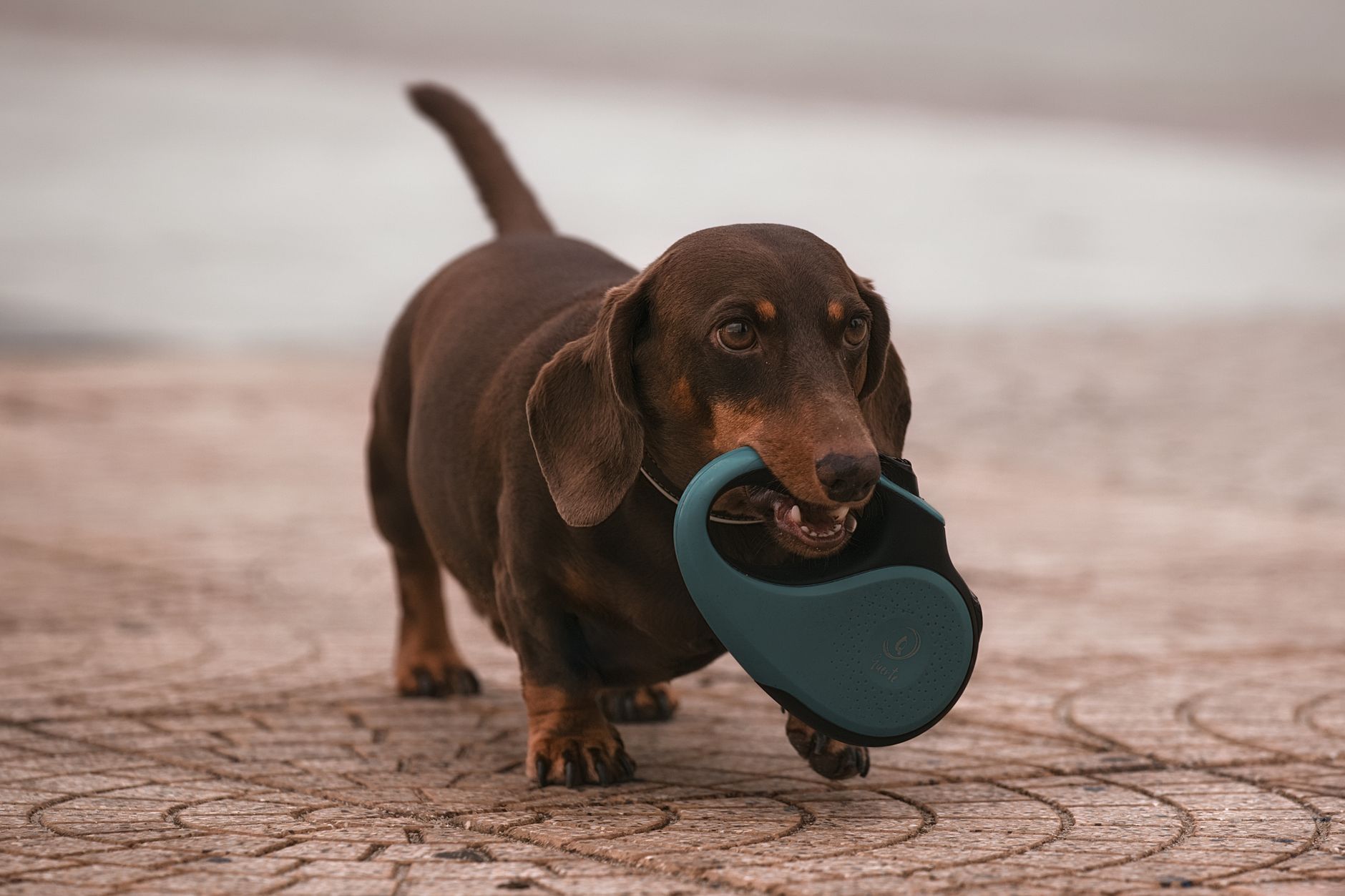
A collar concentrates every pull onto the throat, where the windpipe, thyroid and neck vertebrae sit. A well-fitted harness spreads that force across the chest instead. For dogs who pull, lunge or startle, that swap prevents more injuries than almost anything else you could buy, and there is no clinical downside to it.
Why walking equipment is worth ten minutes of thought
Port Moody is a walking neighbourhood. Between the shoreline trail, Rocky Point and the streets around Newport Village, most dogs here are on a lead twice a day, every day, for years. Small amounts of force applied that often add up in a way a single tug never does.
Most owners choose walking equipment once, usually when the dog is young, and then never revisit it. The dog grows, the coat changes with the seasons, the dog learns to pull, and the kit stays the same. It is worth ten minutes at the start of autumn, when longer sleeves and thicker coats change how everything sits.
What sits under a collar
The neck is a busy area. The trachea runs down the front of it, held open by rings of cartilage that are more flexible than most people assume. The thyroid glands sit either side of it, close to the surface. The cervical vertebrae, the major blood vessels supplying the brain, and the nerves supplying the front legs all pass through the same space.
When a dog pulls hard against a flat collar, or hits the end of a lead at speed, that force lands on all of it. In a dog who does this several times a walk, it stops being a theoretical concern.
Some dogs are more vulnerable than others. Small and toy breeds have a naturally more flexible trachea, so pressure there matters more. Flat-faced breeds are already working harder to move air. Sighthounds have necks wider than their heads and can slip a standard collar entirely. Any dog with a known airway, neck or spinal problem should not be walked from a neck collar.
Fitting a harness so it actually helps
A badly fitted harness is not much better than a collar and can create its own problems, so fit is the point rather than the purchase.
Use the two-finger rule everywhere: you should be able to slide two fingers flat under any strap without forcing them. Tighter than that rubs and restricts; looser than that lets the harness twist, and a twisted harness sits across the throat or slips a leg through.
Check the armpit straps specifically, because that is where sores develop. The strap should sit at least a couple of finger widths behind the elbow and should not press into the crease when the dog reaches forward. Watch your dog walk in it: shortened front strides or a reluctance to reach out means the front is restricting the shoulder.
Re-check the fit monthly on a growing puppy, and seasonally on an adult, particularly after a weight change or a coat clip. Look under the straps for rubbed patches, thinning fur or redness when you take it off, and never leave a harness on all day.
Retractable leads and the injuries nobody expects
These deserve a specific mention because the injuries they cause are consistent and largely invisible to owners until they happen.
The thin cord is the problem. It cuts. Rope burns and lacerations to hands, fingers and legs are common, to owners and to bystanders as much as to dogs, and a finger caught in a loop when a dog bolts can be injured severely. Dogs sustain burns and cuts from the cord too, and cats and small dogs can be caught by a cord at speed.
The second problem is the sudden stop. A dog at the end of twenty feet of cord, running, hits the limit at full speed. Attached to a collar, that jolt lands entirely on the neck. It is a recognised cause of neck and tracheal injury and, occasionally, of a dog being flipped off their feet.
The third is control. Twenty feet is enough distance for a dog to reach a road, another dog or a cyclist before you can do anything about it, and the locking mechanism can fail or be fumbled at exactly the wrong moment. On a busy shoreline path, that distance is the whole margin of safety.
If you use one, attach it to a harness rather than a collar, keep it locked short near roads and other dogs, and never wrap the cord around your hand. A fixed-length lead of two to two and a half metres does the same job for most walks with none of these risks.
Collars, tags and the ones that go wrong
Collars still matter, because a legible tag showing a number you still answer brings most lost pets home quickest, faster than a microchip in practice because any neighbour can read it. The distinction is between a collar for identification and a collar for pulling against.
Two collar problems turn up in practice more than people realise. The first is the embedded collar: a collar left on a growing puppy or a long-coated or outdoor animal that is not checked, gradually tightening until it damages the skin beneath. It develops slowly and painlessly enough that it goes unnoticed under fur. Check under the collar with your fingers, on the skin, at least monthly, and always after a growth spurt.
The second is the leg-through-collar injury, where a pet paws at the collar, gets a foreleg through it, and ends up trapped with the collar in the armpit. It causes deep wounds and panic, and it is a genuine emergency. Any pet found like this needs assessment even if the skin looks intact, through our urgent care service.
For cats, use a breakaway or safety-release collar rather than a fixed one. Cats climb, and a fixed collar caught on a branch or a fence is a strangulation risk. The release buckle exists precisely for that, and it does not stop the collar doing its identification job.
A word on corrective equipment
Choke chains, prong collars and slip leads all work by applying pressure or discomfort to the neck, which is the structure this article is about protecting. Beyond the welfare arguments, the physical concerns are straightforward: they concentrate force on the throat and cervical spine of a dog who, by definition, is already pulling hard enough to need them.
If pulling is the underlying problem, the durable answer is training rather than equipment that manages the symptom by making it hurt. A well-fitted harness plus a training plan addresses both the immediate safety issue and the behaviour. Your veterinary team can point you toward reward-based help, and it is worth asking rather than persevering.
When to have an injury checked
Book an appointment if your pet has coughing or gagging after a walk, retching or a change in the sound of their bark, any wound or rubbed area under a collar or harness, a limp or reluctance to reach forward on one side, neck pain or a reluctance to turn the head, or if they have been jerked hard or flipped by a lead.
Wounds under a collar and in armpits are the ones most often left too long, because fur hides them and they are not obviously bleeding. If in doubt, have it looked at through our medical services, with imaging where needed through our diagnostic services. Walks also bring dogs into contact with each other, and our guide to bite wounds and when to seek care covers what to do when a greeting goes wrong.
Getting this right from the beginning is easiest of all, and our new puppy and kitten guide covers the growth stage when fit needs checking most often. Routine visits through our routine pet care are a good moment to bring the harness in and have the fit looked at.
Frequently asked questions
Is a harness better than a collar for dogs?
For walking, generally yes, because a harness spreads force across the chest rather than concentrating it on the throat, where the windpipe, thyroid and cervical spine sit. It matters most for dogs who pull or lunge, small and flat-faced breeds, and any dog with an airway, neck or spinal problem. Keep a collar for identification tags.
How tight should a harness be?
You should be able to slide two fingers flat under any strap without forcing them. Too tight rubs and restricts movement; too loose lets it twist, which can bring a strap across the throat or let a leg slip through. Check the armpit straps in particular, and re-check the fit monthly on a growing puppy and seasonally on an adult.
Are retractable leads actually dangerous?
They cause a consistent set of injuries. The thin cord causes burns and cuts to hands and legs, a dog hitting the end at speed takes a sudden jolt that lands on the neck if attached to a collar, and the length allows a dog to reach a road or another dog before you can intervene. If you use one, attach it to a harness, keep it locked short in busy places, and never wrap the cord around your hand.
Should my cat wear a collar?
If they do, use a breakaway or safety-release type rather than a fixed collar. Cats climb and squeeze through gaps, and a fixed collar caught on a branch or fence is a strangulation risk. The release buckle still allows the collar to carry identification. Check the fit regularly and look at the skin underneath.
My puppy’s collar seems fine. How often should I check?
At least monthly, and always after a growth spurt. Check with your fingers on the skin underneath rather than by eye, because fur hides a tightening collar and the damage develops slowly and without obvious pain. Collars left unchecked on growing or long-coated animals can gradually embed into the skin.
My dog pulls constantly. What should I use?
A well-fitted harness for immediate safety, plus a training plan for the underlying behaviour. Equipment that works by tightening on the neck manages the symptom by causing discomfort, and it concentrates force on exactly the structures most at risk in a dog who pulls hard. Ask your veterinary team to point you toward reward-based training help.