
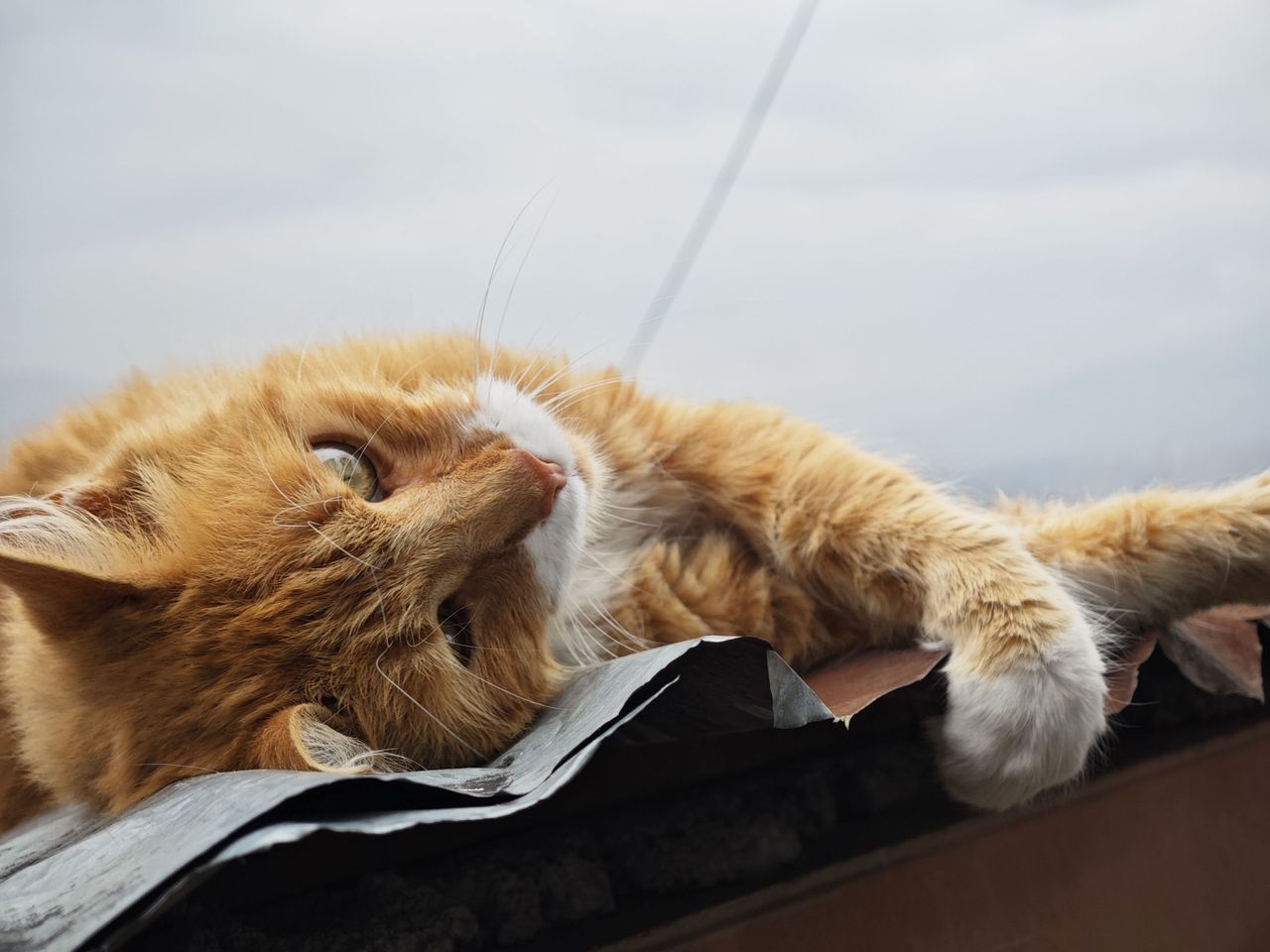
Kidney disease is common in older cats and develops slowly, so early signs like increased thirst, more urination, weight loss, and reduced appetite are easy to miss. While it cannot be cured, early diagnosis and care help many cats live comfortably for years. Newport Village Animal Hospital in Port Moody can help you catch it early.
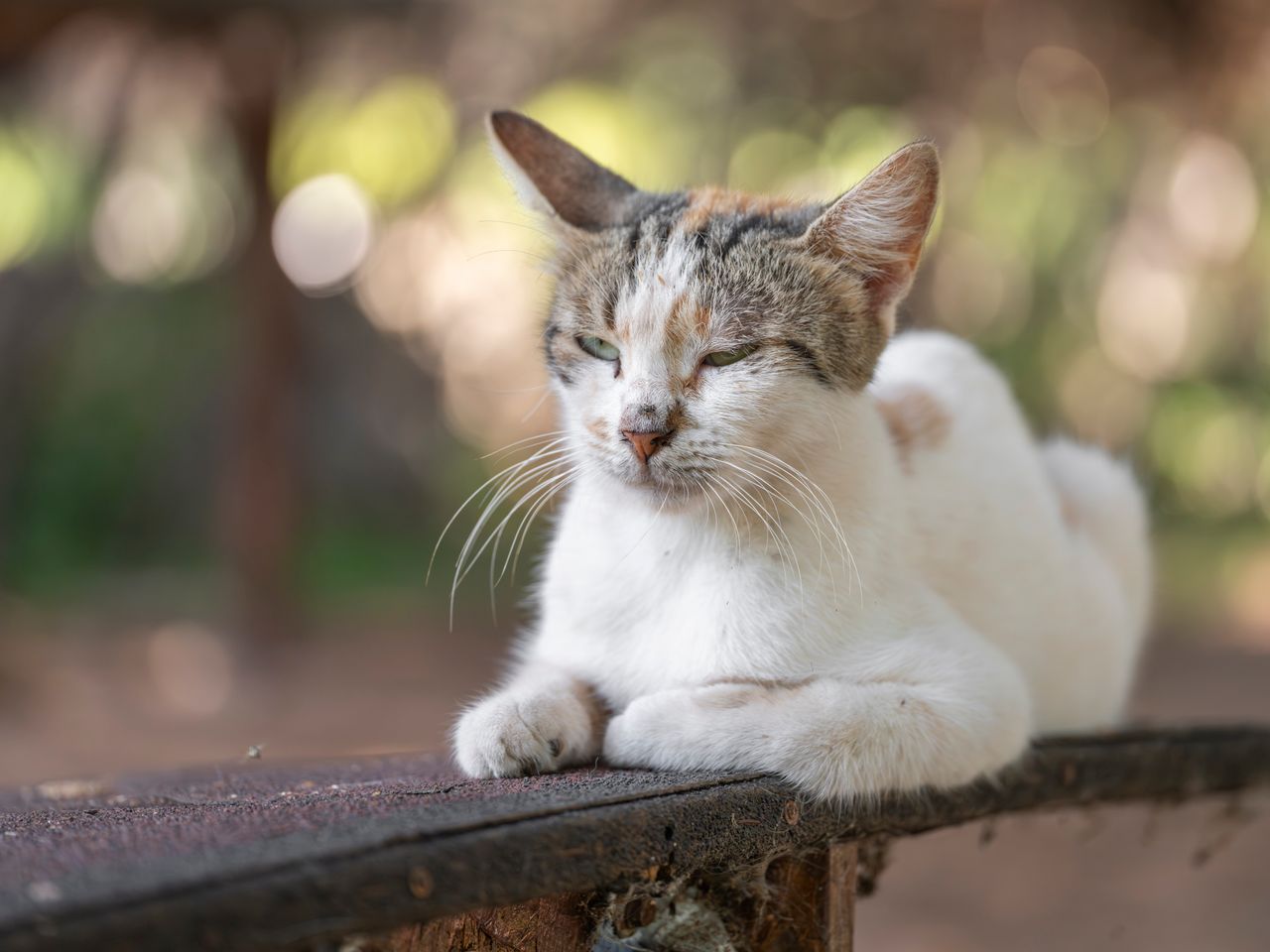
What kidney disease is in cats
The kidneys filter waste from the blood, balance fluids, and help control blood pressure, so when they begin to fail, waste products build up and a cat gradually becomes unwell. Chronic kidney disease, the slow, long-term form, is one of the most common conditions in middle-aged and senior cats. The kidneys have a lot of reserve capacity, which is helpful but also means a cat can lose much of their kidney function before showing obvious signs.
Why it is so common and so easy to miss
Because chronic kidney disease develops over months to years, the early changes are subtle and easy to attribute to normal aging. A cat may simply seem to drink a bit more, visit the litter box more often, or slowly lose a little weight. Cats are also experts at hiding illness, so by the time they look clearly sick, the disease is often advanced. This combination is exactly why proactive screening matters so much for older cats.
Warning signs to watch for
Keep an eye out for these changes, especially in cats over about seven years old:
- Drinking noticeably more water than before
- Urinating more, or larger clumps in the litter box
- Gradual weight loss, sometimes with a duller coat
- Reduced appetite or pickiness about food
- Vomiting, bad breath, or mouth ulcers
- Low energy, hiding, or less grooming
Why early detection makes such a difference
Kidney disease cannot be reversed, but catching it early changes the outlook significantly. Early diagnosis lets your veterinarian slow the progression, manage complications, and keep your cat comfortable, often for years. Waiting until a cat is visibly ill means more kidney function has already been lost. This is why many veterinarians recommend regular screening for senior cats, even those who seem perfectly healthy.
How kidney disease is diagnosed
Diagnosis is straightforward and relies on a combination of tests. Our pet diagnostics and medical services teams use bloodwork to measure kidney values and a urine test to check how well the kidneys are concentrating urine, often alongside blood pressure measurement. Testing also helps stage the disease, which guides treatment. Establishing baseline values while your cat is healthy makes it much easier to spot early changes at future visits.
Managing kidney disease and supporting your cat
Treatment focuses on supporting the kidneys, managing symptoms, and maintaining quality of life. A therapeutic kidney diet, lower in certain minerals and protein adjusted for the stage, is one of the most effective tools, and our nutrition counselling can help with the transition, which cats can be fussy about. Keeping a cat well hydrated is key, so provide plenty of fresh water, consider a pet fountain, and add wet food where appropriate.
Your veterinarian may also recommend treatment for blood pressure, nausea, or other complications, and recommend regular rechecks to adjust care as the disease changes. With our pet care services supporting ongoing monitoring, many cats with kidney disease enjoy a good quality of life for a long time.
Helping your cat drink more water
Good hydration is one of the most helpful things you can do for a cat with kidney disease, yet many cats are naturally light drinkers. Wet food is an easy win, since it adds significant moisture to the diet, and you can offer a little water or a vet-approved broth mixed in. Many cats also drink more from a pet water fountain, since moving water appeals to their instincts.
Small details help too. Provide several water bowls around the home, away from the litter box and food, keep them clean and topped up with fresh water, and try wide, shallow bowls that do not bother a cat’s whiskers. Encouraging steady drinking supports the kidneys and helps your cat feel better day to day.
Frequently asked questions
At what age should I worry about kidney disease in my cat?
It becomes more common in middle-aged and senior cats, so screening is often recommended from around seven years of age. Catching it early, before obvious signs, gives the best chance to slow it down.
Can kidney disease in cats be cured?
Chronic kidney disease cannot be cured, but it can be managed. With diet, hydration, ongoing treatment, and monitoring, many cats stay comfortable and maintain a good quality of life for years.
Is increased thirst always a sign of kidney disease?
Not always, but it is an important warning sign worth checking. Increased thirst and urination can point to kidney disease, diabetes, or thyroid problems, so a veterinary exam and testing are the way to know.
Why is diet so important for a cat with kidney disease?
A therapeutic kidney diet reduces the workload on the kidneys and helps manage symptoms, which can improve both comfort and lifespan. Your veterinarian can help you choose and transition to the right diet.
How often should my cat with kidney disease be rechecked?
It depends on the stage, but regular rechecks, often every few months, let your veterinarian adjust treatment as the disease changes. Your team will set a schedule suited to your cat.
My cat seems fine. Does she still need screening?
Yes, especially if she is older. Cats hide illness well, and kidney disease is often advanced before signs show. Screening healthy senior cats is the most reliable way to catch it early.